There’s a unique kind of satisfaction that comes from rolling out your own pasta. The moment you create that perfect dough, it feels like you’ve unlocked an ancient culinary secret. After a long week of takeout and fast food that left me longing for something truly comforting, I turned to my kitchen, ready to indulge in the art of handmade pasta.

Homemade pasta transforms any meal from ordinary to extraordinary, allowing you to customize flavors and shapes to your heart’s desire. The beauty of this homemade pasta recipe is its simplicity—just a handful of ingredients that, when combined, create a delightful texture and flavor that store-bought varieties simply can’t match.
So, whether you’re looking to impress guests or just craving some soul-warming comfort food, join me on this culinary adventure. Let’s dive into the process together and discover the joy of creating something truly special from scratch!
Why is this Homemade Pasta Recipe so special?
Freshly Made: There’s nothing like the taste of homemade pasta; it’s a world away from the packaged stuff, packed with flavor and freshness.
Simple Ingredients: With just four pantry staples, you can whip up this delight with ease, making it accessible for all cooks.
Hands-On Experience: The joy of kneading and rolling dough is a therapeutic escape from daily routines, and it’s a fun activity to share with family.
Customizable Shapes: Whether you fancy fettuccine or ravioli, this recipe allows you to unleash your creativity in the kitchen!
Quick Cooking Time: Once shaped, your pasta cooks in mere minutes, making it an excellent go-to for busy weeknights or last-minute dinners.
Crowd-Pleasing: Impress your friends and family with a dish that looks and tastes gourmet, turning any meal into a celebration.
Homemade Pasta Ingredients
- 2 cups all-purpose flour – spooned and leveled, plus more for dusting to prevent sticking
- 3 large eggs – room temperature preferred for better incorporation
- 1/2 tsp salt – enhances flavor and strengthens gluten
- 1 tbsp olive oil – adds richness to the dough
Dive into this Homemade Pasta Recipe and awaken your inner chef!
How to Make Homemade Pasta
Mound Flour: On a large, clean work surface, create a mound with the flour and form a deep well in the center. This well will hold the eggs, ensuring they’re not lost in the flour chaos.
Add Ingredients: Crack the eggs directly into the well. Sprinkle the salt and drizzle in the olive oil, setting the stage for a flavorful dough that binds together beautifully.
Beat Eggs: Using a fork, gently beat the eggs while slowly incorporating flour from the inner walls of the well. Keep mixing until the eggs and flour start to come together into a messy mixture.
Form Dough: When the fork becomes ineffective, switch to your hands. Gather the mixture and knead until a shaggy dough forms, absorbing all that beautiful flour.
Knead: Place the dough on a floured surface and knead for about 10 minutes. You’re aiming for a smooth and elastic texture that feels just right under your hands.
Rest Dough: Wrap the kneaded dough tightly in plastic wrap, allowing it to rest at room temperature for 30 minutes. This helps relax the gluten, making it easier to roll out later.
Divide Dough: After resting, divide the dough into four equal portions. Keep the pieces covered with a towel to prevent them from drying out.
Roll Dough: Using a pasta machine or rolling pin, roll out each portion until they’re about 1/16 inch thick. Enjoy transforming that simple dough into beautiful sheets of pasta!
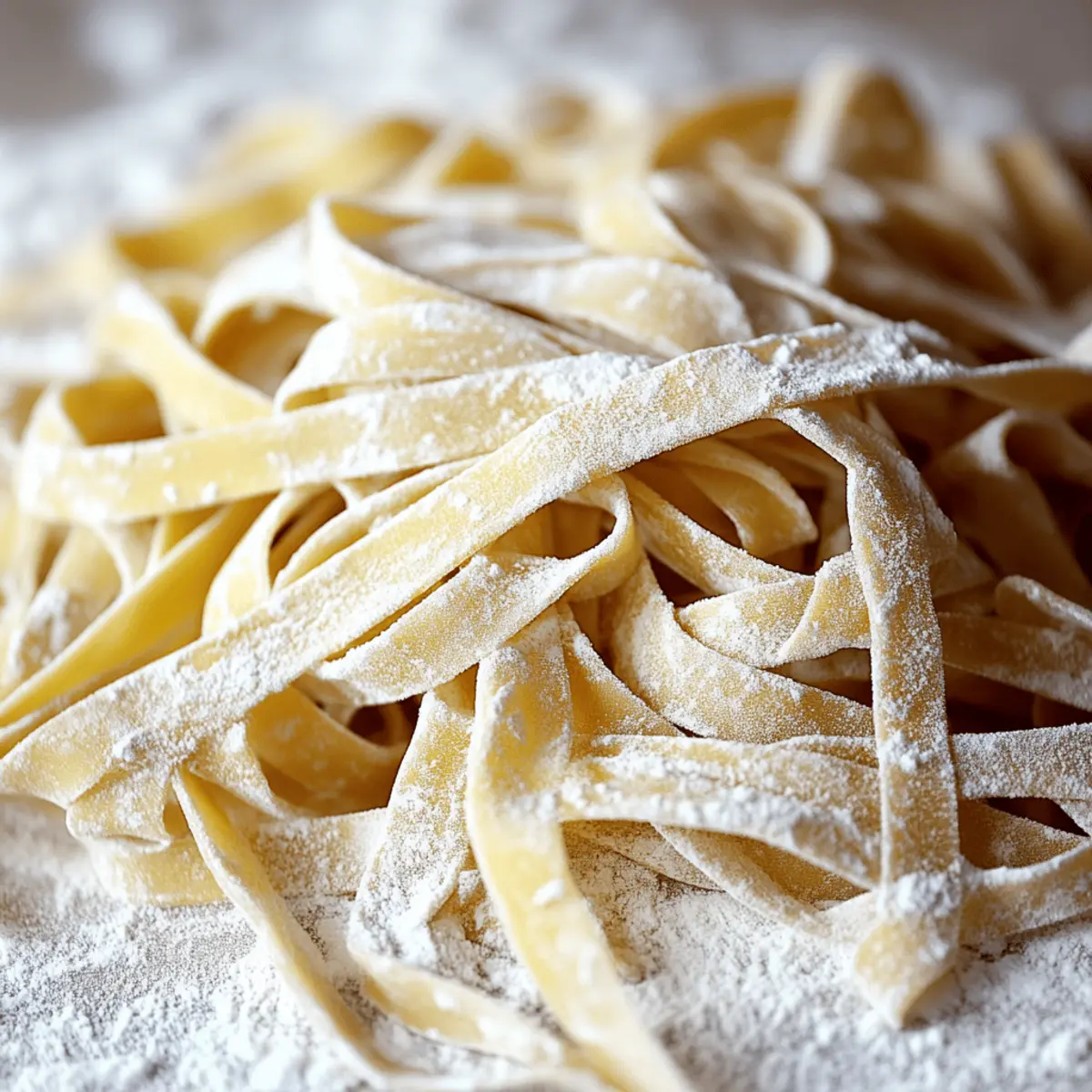
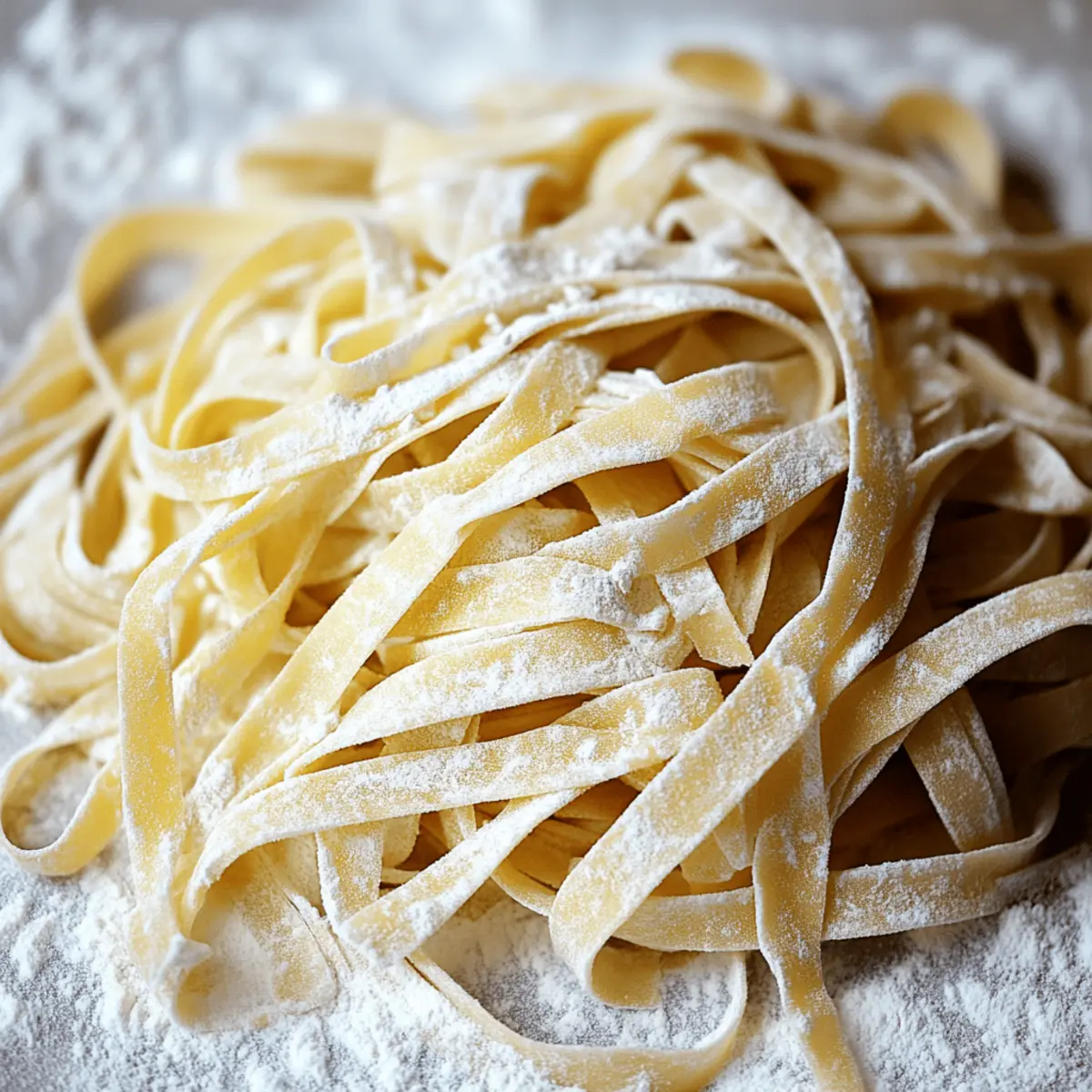
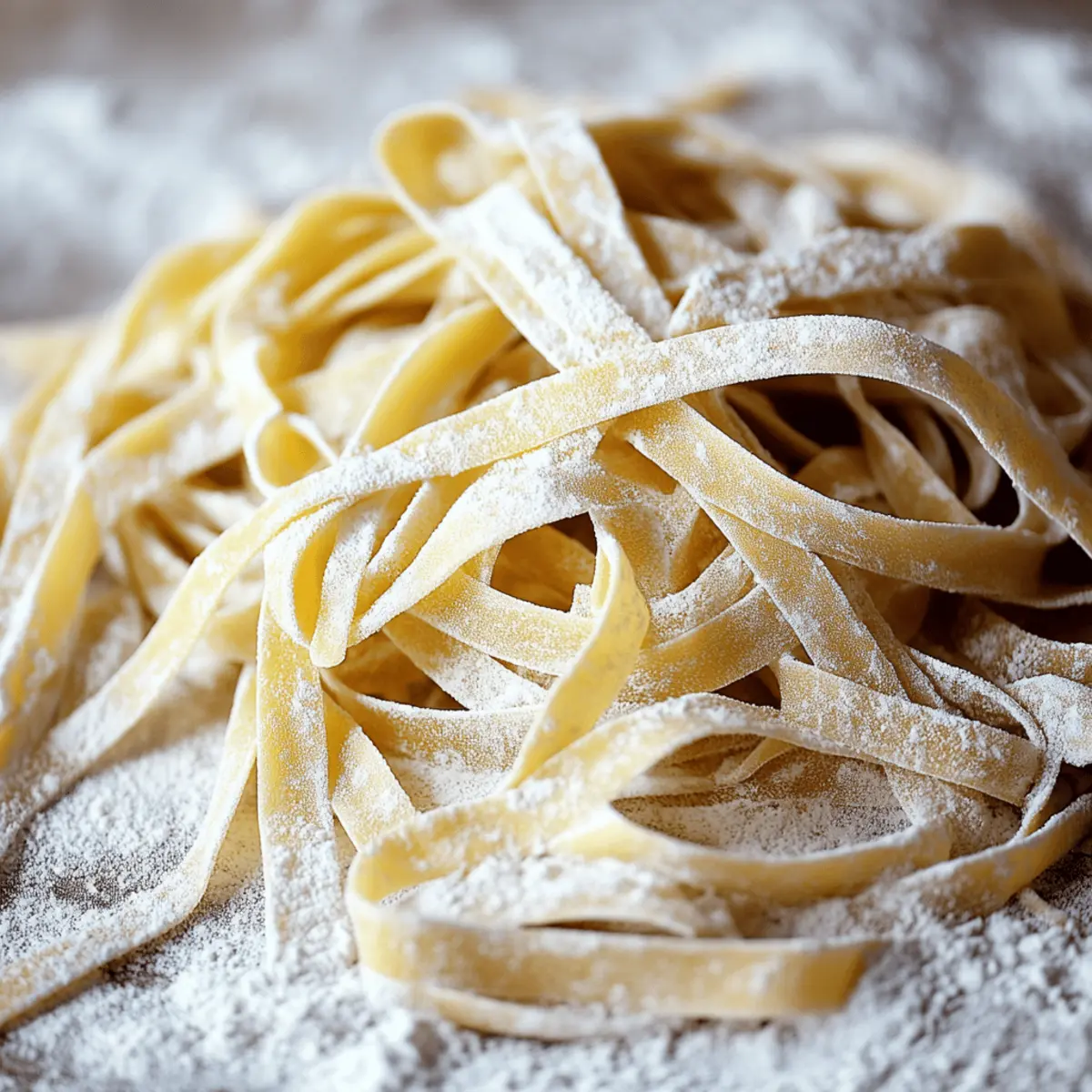
Cut Shapes: Cut the rolled sheets into your desired pasta shape. Unfold and toss with a little flour to keep them from sticking together.
Cook Pasta: Bring a large pot of salted water to a boil. Carefully add the fresh pasta and let it cook for 2-3 minutes until it reaches that perfect al dente texture.
Toss with Sauce: Drain the gorgeous pasta and toss it with your favorite sauce. Serve it hot and watch everyone’s faces light up!
Optional: Serve with freshly grated Parmesan cheese for an extra touch of flavor.
Exact quantities are listed in the recipe card below.
Storage Tips for Homemade Pasta
Room Temperature: Fresh pasta can be kept at room temperature for up to 1 hour for the best texture before cooking. Ensure it’s covered with a clean kitchen towel to prevent drying out.
Fridge: Store any uncooked pasta in an airtight container in the fridge for up to 2 days. Dust with flour to prevent sticking before sealing.
Freezer: For longer storage, freeze homemade pasta in a single layer on a baking sheet. Once frozen, transfer to a freezer bag and store for up to 3 months.
Reheating: To reheat cooked pasta, toss it in boiling water for 30 seconds to revive its texture, or gently reheat in a pan with your chosen sauce. Enjoy your Homemade Pasta Recipe even after its original cooking!
Homemade Pasta Variations
Explore the delightful ways to elevate your homemade pasta with simple tweaks and creative ideas!
Gluten-Free: Substitute all-purpose flour with a gluten-free blend to create a dough everyone can enjoy.
Herb-Infused: Mix fresh or dried herbs, like basil or oregano, into the flour for aromatic, flavorful pasta that pairs beautifully with your favorite sauces.
Spinach Pasta: Blend fresh spinach with the eggs before adding them to the flour, resulting in a stunning green pasta packed with nutrients—a perfect visual feast!
Whole Wheat: Use whole wheat flour instead of all-purpose for a nuttier flavor and added fiber. Your pasta will still be deliciously tender!
Colorful Pasta: Add natural food colorings like beet or turmeric to your egg mixture for vibrant, eye-catching pasta. It adds both a pop of color and a hint of flavor.
Ricotta Filling: Roll out dough into ravioli shapes and fill with a mix of ricotta cheese, spinach, and a pinch of nutmeg. You’ll have a delightful twist on traditional pasta that’s perfect for a special occasion.
Spicy Kick: Incorporate a pinch of red pepper flakes into the dough for a subtle heat. This added spice elevates a simple dish into something that tantalizes the taste buds.
Sweet Version: Try adding a tablespoon of sugar and a splash of vanilla extract to the dough. This twist is fantastic for making a dessert pasta, pairing perfectly with sweet sauces or toppings.
What to Serve with Homemade Pasta?
Create a magical dining experience that complements your fresh pasta beautifully!
- Classic Marinara Sauce: A tangy and rich sauce that perfectly clings to your pasta, elevating its flavor profile to classic Italian comfort food.
- Garlic Butter Shrimp: Juicy shrimp sautéed in garlicky butter adds a touch of luxury, enhancing the dish with its savory, luscious flavors.
- Spinach Salad: Fresh spinach tossed with a zesty vinaigrette delivers a crisp contrast, balancing the richness of the pasta and keeping your meal light.
- Pesto Genovese: This vibrant sauce made from basil, garlic, pine nuts, and Parmesan brings a burst of herbal freshness, making your dish sing with flavor.
- Creamy Alfredo Sauce: Silky and cheesy, this prominent sauce will envelop your homemade pasta, providing a comforting and decadent delight.
- Grilled Vegetables: Charred zucchini, bell peppers, and eggplant add earthy notes and a fulfilling crunch, harmonizing beautifully with the pasta’s textures.
- Freshly Grated Parmesan: A sprinkle of this sharp cheese right before serving invokes traditional Italian flavors, making each bite even more delightful.
- Lemon Sorbet: Cleanse your palate with a refreshing lemon sorbet for dessert, which provides a light finish after savory dishes.
Make Ahead Options
These Homemade Pasta Recipe components are perfect for meal prep, saving you valuable time when you’re busy! You can prepare the dough up to 24 hours in advance; simply wrap it tightly in plastic wrap and refrigerate to maintain freshness. Alternatively, you can roll out and cut your pasta shapes, then dust them lightly with flour, and place them between sheets of parchment paper (this prevents sticking) in an airtight container—these can be stored in the fridge for up to 3 days. When you’re ready to enjoy your homemade pasta, just cook it fresh in boiling salted water for 2-3 minutes until al dente, and serve with your favorite sauce for a delightful meal with minimal effort!
Tips for the Best Homemade Pasta
Perfecter Flour: Use “00” flour if available, as it creates an even smoother pasta that’s a delight to the palate.
Room Temperature Eggs: Ensure your eggs are at room temperature to combine better with the flour, producing a superior dough.
Kneading Technique: Don’t rush the kneading! Spend a full 10 minutes working the dough to achieve that ideal smooth and elastic consistency.
Resting Time: Allow the dough to rest fully; this is crucial for gluten relaxation, making it easier to roll out the pasta without springing back.
Cooking Freshness: Remember that fresh pasta cooks much faster than dried varieties, so keep an eye on it to avoid overcooking.
Storing Leftovers: If you have leftover dough or cut pasta, dust them with flour and store in an airtight container in the fridge for up to 2 days, preserving your Homemade Pasta Recipe pursuit!
Homemade Pasta Recipe FAQs
How can I tell if my eggs are at room temperature?
To bring your eggs to room temperature, simply take them out of the refrigerator and let them sit on the countertop for about 30 minutes. If you’re in a hurry, you can place them in a bowl of warm water for about 10 minutes.
How should I store leftover homemade pasta?
If you have uncooked leftover pasta, dust it with flour to prevent sticking and store it in an airtight container in the fridge for up to 2 days. For longer storage, freeze the pasta in a single layer on a baking sheet. Once frozen, move it to a freezer bag, and it will keep for up to 3 months.
What should I do if my pasta dough is too sticky?
If your pasta dough is too sticky, don’t fret! Simply sprinkle a bit more flour onto your work surface and knead the dough for a few more minutes. Aim for a smooth and elastic texture. Adding flour gradually is key; you want just enough to stop it from sticking without making the dough too dry.
Can I use whole wheat flour instead of all-purpose flour?
Absolutely! Whole wheat flour gives your pasta a nuttier flavor and adds a bit more fiber. You may need to add a little extra water or an additional egg for moisture, as whole wheat flour absorbs more liquid than all-purpose flour.
How long can I keep cooked homemade pasta in the fridge?
Cooked homemade pasta can be stored in an airtight container in the fridge for about 3 to 4 days. To keep it at its best, toss it with a bit of olive oil to prevent sticking before sealing. When ready to eat, you can reheat it in boiling water for about 30 seconds.
Is homemade pasta safe for pets?
While plain homemade pasta is generally safe for pets, it’s best to serve it without sauces or seasonings. Always consult your veterinarian if you’re unsure about certain ingredients, especially if your pet has specific dietary restrictions.
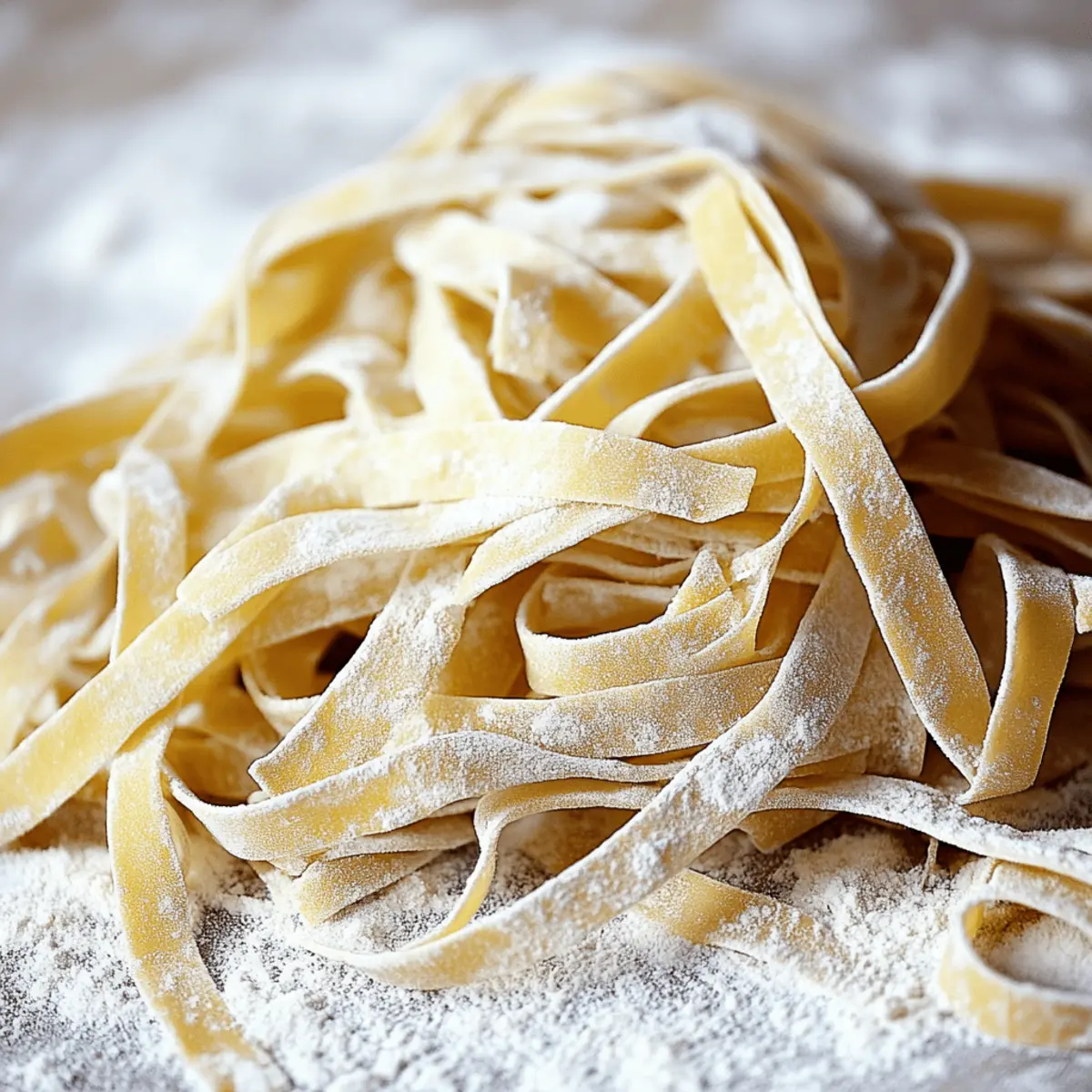
Unbelievably Easy Homemade Pasta Recipe You’ll Love
Ingredients
Equipment
Method
- On a large, clean work surface, create a mound with the flour and form a deep well in the center.
- Crack the eggs directly into the well, sprinkle the salt, and drizzle in the olive oil.
- Using a fork, gently beat the eggs while slowly incorporating flour from the inner walls of the well.
- When the fork becomes ineffective, switch to your hands. Gather the mixture and knead until a shaggy dough forms.
- Place the dough on a floured surface and knead for about 10 minutes until smooth and elastic.
- Wrap the kneaded dough tightly in plastic wrap and let it rest at room temperature for 30 minutes.
- After resting, divide the dough into four equal portions and cover them with a towel.
- Using a pasta machine or rolling pin, roll out each portion until about 1/16 inch thick.
- Cut the rolled sheets into your desired pasta shape and toss with flour to prevent sticking.
- Bring a large pot of salted water to a boil, add fresh pasta, and cook for 2-3 minutes until al dente.
- Drain and toss with your favorite sauce, serve hot.